Unvented Crawlspaces
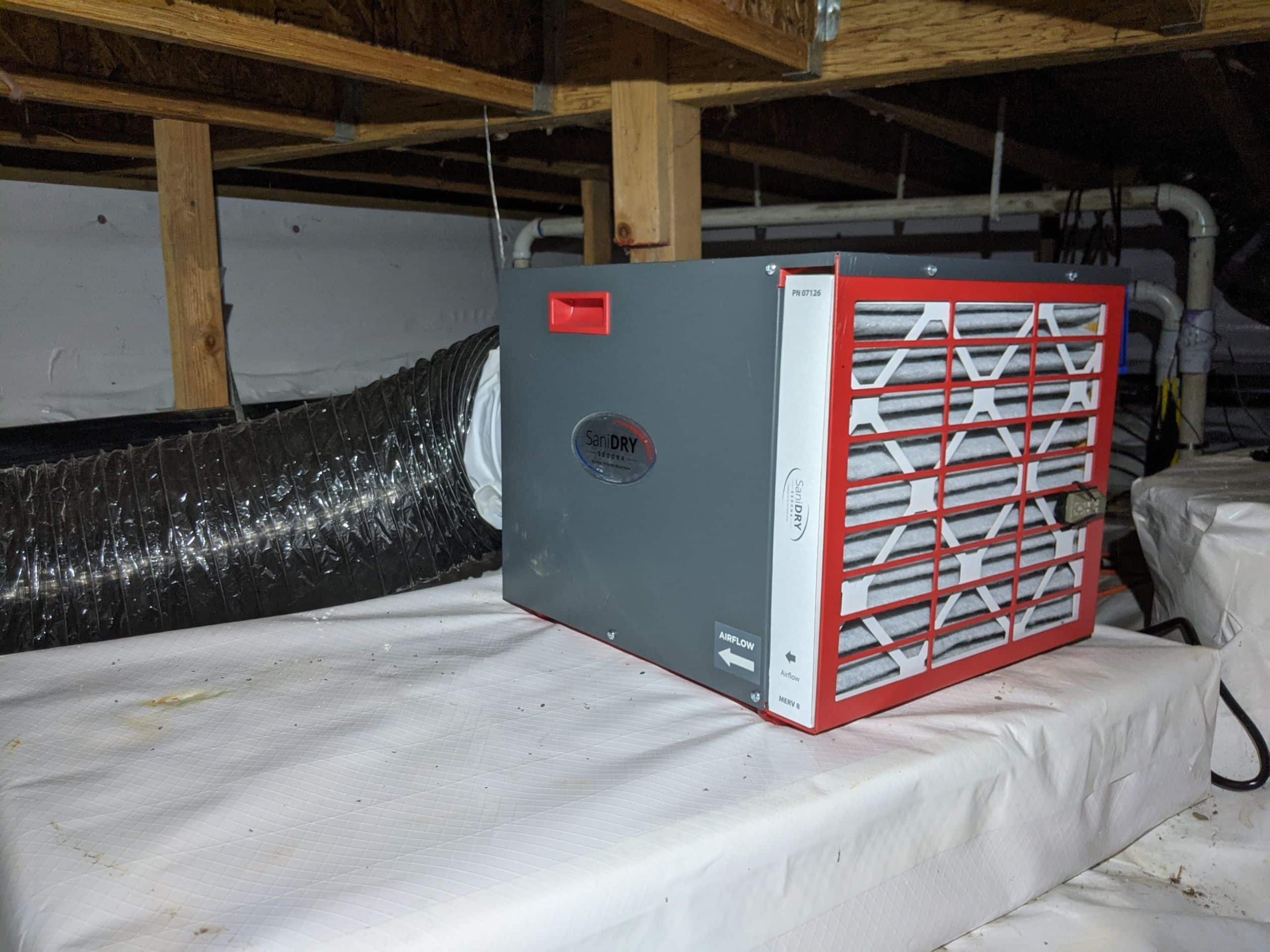
There are a few benefits to unvented or encapsulated crawlspaces as compared to traditional vented crawlspaces. By sealing off the space and insulating it, unvented crawl spaces help maintain a more stable temperature, which can lower heating and cooling costs. With a vapor barrier on the ground, insulation on the walls, and proper humidity control methods utilized, unvented crawl spaces help minimize moisture intrusion, reducing the risk of mold growth and wood rot. With a more controlled environment, it can be easier to access and maintain plumbing and electrical systems in the crawl space without the complications of outdoor air fluctuations.
Since this space will be enclosed and sealed, proper air flow for humidity and temperature control is required. Various local building codes require a variety of methods and materials to achieve this balanced environment.
In Oregon, the following requirements must be met:
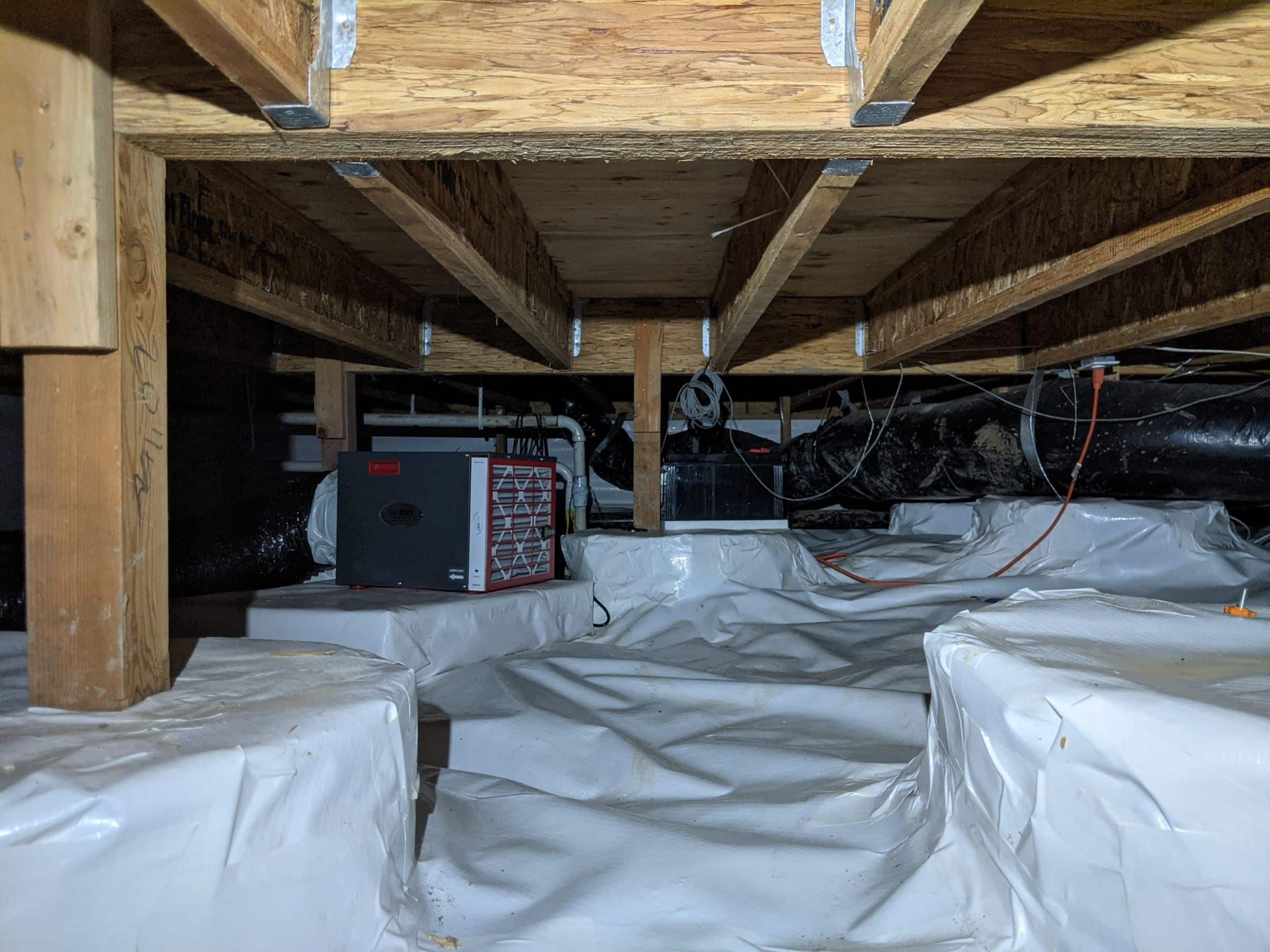
1. Exposed earth is covered with a continuous Class I vapor retarder. Joints of the vapor retarder shall overlap by 6 inches (152 mm) and shall be sealed or taped, or overlapped a minimum of 12 inches (305 mm) when joints are not sealed or taped. The edges of the vapor retarder shall extend not less than 12 inches (305 mm) up the stem wall and shall be attached and sealed to the stem wall or insulation.
2. One of the following is provided for the under-floor space:
2.1. Continuously operated mechanical exhaust ventilation at a rate equal to 1 cubic foot per minute (0.47 L/s) for each 50 square feet (4.7 m2) of crawl space floor area, including an air pathway to the common area (such as a duct or transfer grille), and perimeter walls insulated in accordance with Section N1104.2.7 of this code.
2.2. Conditioned air supply sized to deliver at a rate equal to 1 cubic foot per minute (0.47 L/s) for each 50 square feet (4.7 m2) of under-floor area, including a return air pathway to the common area (such as a duct or transfer grille), and perimeter walls insulated in accordance with Section N1104.2.7 of this code.
2.3. Dehumidification sized to provide 70 pints (33 liters) of moisture removal per day for every 1,000 square feet (93 m2) of crawl space floor area.
Exception: Unvented crawl spaces are not allowed in new construction in Baker, Clackamas, Hood River, Multnomah, Polk, Washington and Yamhill counties where radon mitigating construction is required, unless an approved mechanical ventilation system is provided in accordance with the exception in Section AF103.5 and the requirements of R408.3 are met.
In Washington, the following requirements must be met:
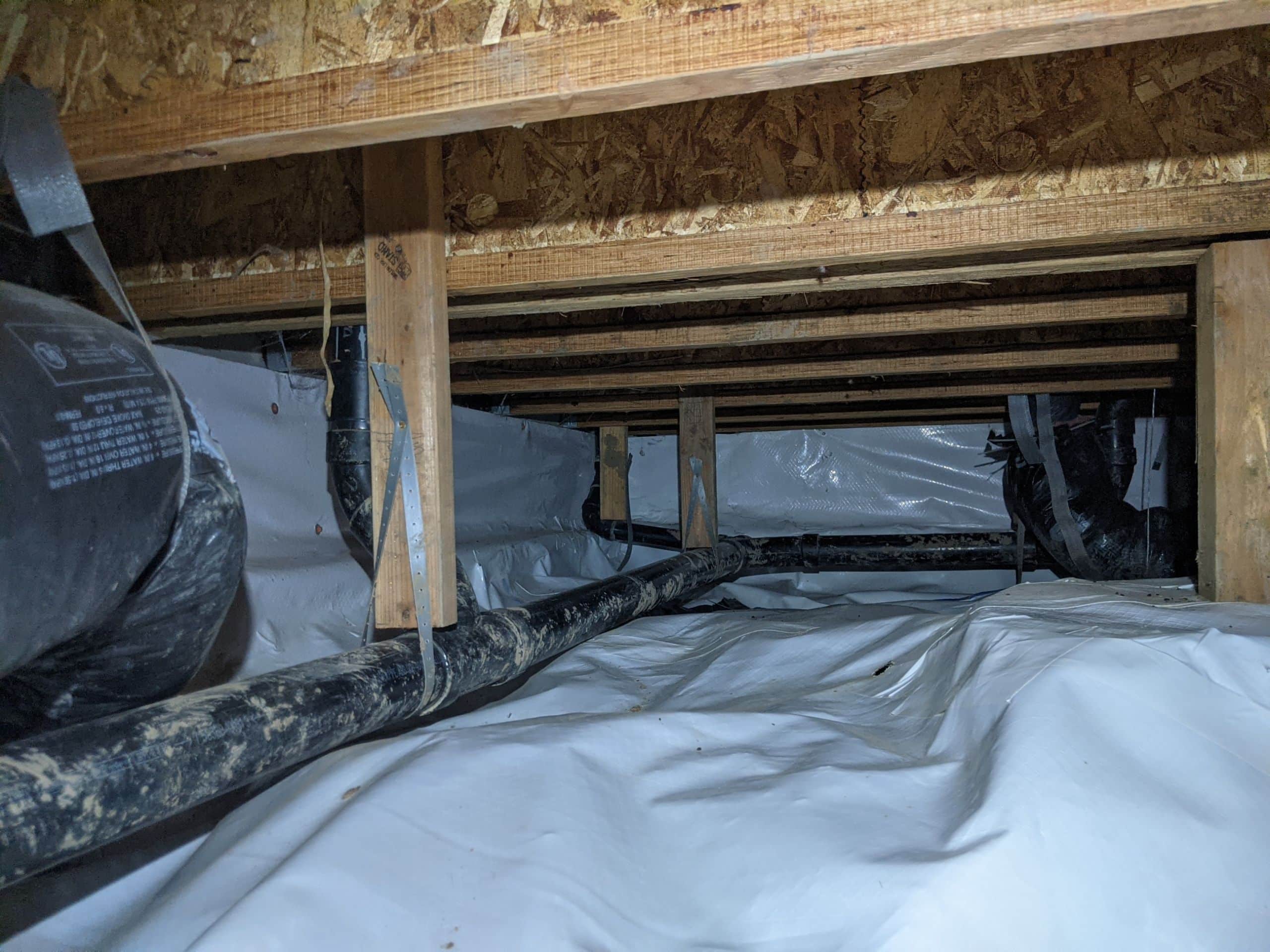
1. Exposed earth is covered with a continuous Class I vapor retarder. Joints of the vapor retarder shall overlap by 6 inches (152 mm) and shall be sealed or taped. The edges of the vapor retarder shall extend at least 6 inches (152 mm) up the stem wall and shall be attached and sealed to the stem wall; and a radon system shall be installed that meets the requirements of Appendix AF (Radon) of this code.
2. Continuously operated mechanical exhaust ventilation is provided at a rate equal to 1 cubic foot per minute (0.47 L/s) for each 50 square feet (4.7 m2) of crawlspace floor area. Exhaust ventilation shall terminate to the exterior.
Exception: Plenum in existing structures complying with Section M1601.5, if under-floor space is used as a plenum
If unvented crawlspaces are installed without the proper and required materials and methods, the crawlspace and livable spaces of the home could have significant adverse effects including mold growth, improper temperature regulation, and potential wood rot and structural defects. If you are considering an unvented crawlspace, ensure that the contractor hired for the work is licensed and well versed in your local jurisdiction requirements for unvented or encapsulated crawlspaces.