
The Importance of Proper Fasteners and Hardware in Construction of Decks
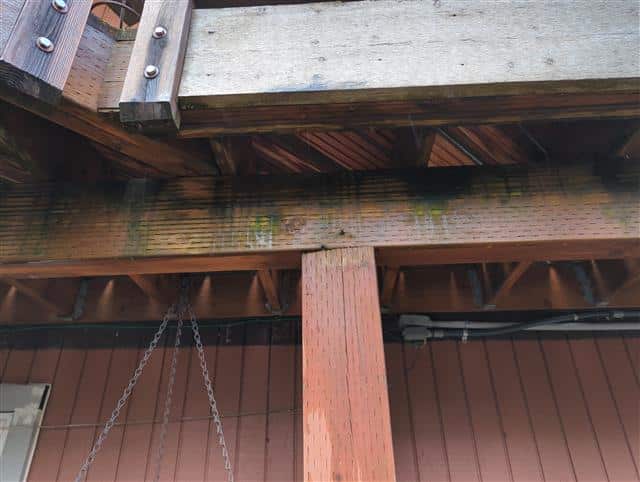
Often the cause of these failures is not the framing lumber that was used to build the deck but rather the metal components that were used to connect everything; that is to say, the fasteners, hangers, post-to-beam connectors, etc.
As building knowledge had improved over the years, so have many of the building code minimums that are in place to help protect homeowners from deck and balcony failures. Unfortunately, many old decks are not safe and many new decks are not built according to these new standards.
One of the primary reasons for using proper fasteners and hardware in deck and balcony construction is to ensure structural integrity. These outdoor spaces usually see a significant amount of wear and stress during the summer months. Things like heavy foot traffic, furniture weight, and exposure to the elements wear out the deck and increase the risk of failure. Without adequate fasteners and hardware, the structural components of the deck or balcony may fail, leading to injuries and costly repairs.
In our area, exterior structures like decks, balconies, porches, and patios are constantly exposed to moisture. Moisture can cause significant corrosion of deck fasteners and hardware, especially if the metal is not treated to be corrosion resistant. Using corrosion-resistant materials, such as stainless steel or galvanized steel, helps to prevent rust and prolong the lifespan of the structure. Chemically treated wood that is commonly used in the construction of decks typically requires that specifically coated hardware and fasteners are used. The copper that is used to treat the wood and help prevent decay causes metal that is in contact with the wood to corrode. Generally, fasteners and hardware made from stainless steel and hot-dipped-galvanized (HDG) steel are recommended for pressure-treated lumber.
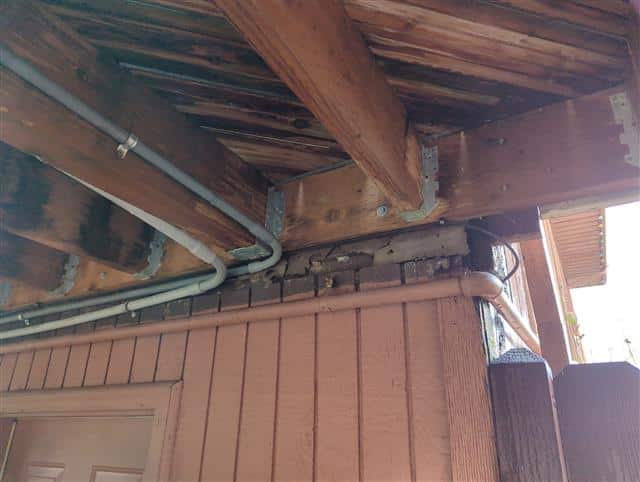
Building codes and industry guidelines include requirements for the construction of exterior decks and balconies. These requirements will include the types of fasteners and hardware that must be used. Following these codes is not only a legal requirement but also essential for ensuring the safety and stability of the structure. Meeting or exceed code standards helps to lower liability for the person building the deck and provides peace of mind for those who will be using it.
In addition to functionality and durability, you may want to consider the aesthetics of the hardware that you use. Today there are concealed fastening systems, decorative hardware, and finishes that can add a touch of elegance and sophistication to the overall design of the structure. While typically more expensive, there is hardware available that can both meet building code and look good.
In conclusion, the importance of using proper fasteners and hardware in construction of outdoor structures cannot be overstated. From ensuring structural integrity and load-bearing capacity to resisting corrosion and weather damage, high-quality fasteners and hardware are essential for creating safe, durable, and visually appealing outdoor living spaces. By investing in the right materials and adhering to code requirements, homeowners can enjoy their decks and balconies with peace of mind, knowing that they are built to last.
You can learn more about deck hardware here: