
Sacrificial Anode for Water Heater Replacement
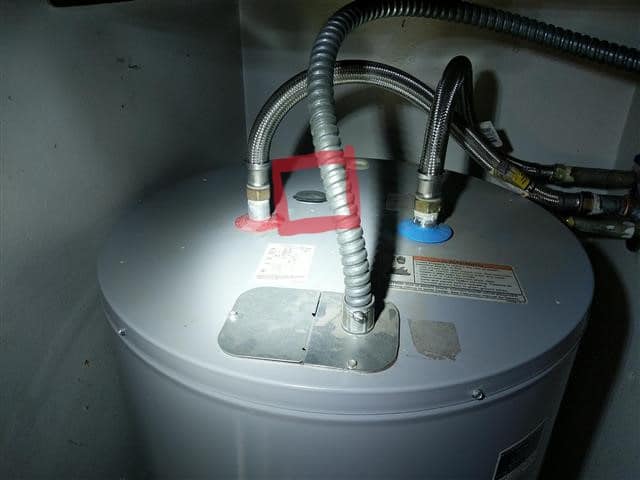
A sacrificial anode is typically made from a metal that is more reactive (less noble) than the metal of the tank. Common materials for sacrificial anodes include magnesium, aluminum, or zinc. These metals have a higher tendency to corrode than steel, so they attract the corrosive elements in the water more readily. As a result, the sacrificial anode corrodes instead of the water heater tank.
Over time, the sacrificial anode is depleted as it sacrifices itself to protect the tank. Therefore, it needs to be periodically inspected and replaced to ensure continued protection against corrosion. Regular maintenance of the sacrificial anode helps extend the life of the water heater and prevents the tank from corroding, potentially leading to leaks and other issues.
The frequency of sacrificial anode replacement in a water heater depends on various factors, including the type of water you have, the quality of the anode, and the usage patterns of the water heater. As a general guideline, it’s recommended to check the sacrificial anode every 1 to 3 years and replace it if necessary.
Here are some factors to consider:
Water Quality: If your water supply has high mineral content or is considered “hard water,” the sacrificial anode may degrade more quickly. In such cases, more frequent checks and replacements may be needed.
Anode Material: Different materials (such as magnesium, aluminum, or zinc) are used for sacrificial anodes. Magnesium anodes are commonly used and tend to erode more slowly than aluminum or zinc. The type of anode can influence how often it needs replacement.
Usage Patterns: The frequency of water heater use can also impact the rate of anode depletion. A heavily used water heater may require more frequent checks and replacements compared to one that is used less frequently.
Tank Size: Larger water heaters may have larger anodes, which can last longer before replacement is necessary.
To determine the condition of the sacrificial anode, you can periodically inspect it. If it’s more than 50% depleted, or if significant corrosion is evident, it’s time to replace it. Keep in mind that regular maintenance, including anode replacement, can significantly extend the life of your water heater and prevent corrosion-related issues. Always follow the manufacturer’s recommendations for maintenance and replacement intervals specific to your water heater model.
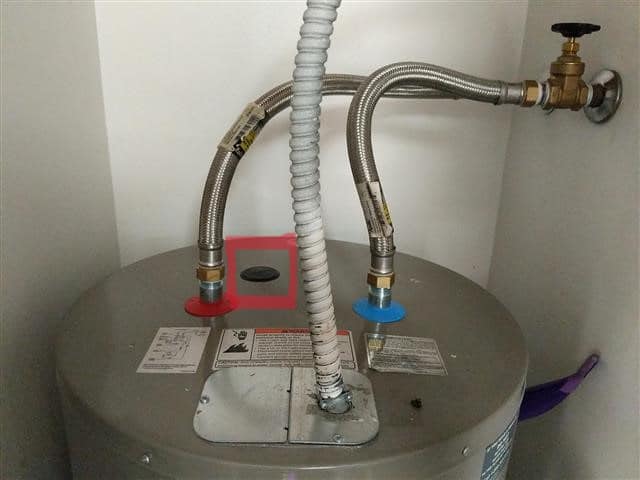
Turn Off the Power and Water:
For electric water heaters, turn off the power at the circuit breaker.
For gas water heaters, set the gas control knob to the “pilot” position.
Turn Off the Water Supply:
Close the cold water inlet valve to stop water flow into the tank.
Drain the Water Heater:
Connect a hose to the drain valve at the bottom of the water heater and run the other end to a suitable drain or outside. Open the drain valve to allow the tank to drain.
Locate the Anode Rod:
The sacrificial anode rod is usually located on the top of the water heater, sometimes under a cover or cap. In some models, it may be accessible from the side.
Remove the Old Anode Rod:
Use a suitable tool (such as a socket wrench or impact wrench) to loosen and remove the anode rod. The rod may be quite long, so be prepared for it to extend as you remove it. If the rod is difficult to loosen, you can use a penetrating oil to help.
Inspect the Anode Rod:
Examine the condition of the old anode rod. If it’s significantly corroded or has less than 50% of its original mass, it’s time for replacement.
Install the New Anode Rod:
Insert the new sacrificial anode rod into the opening and tighten it securely. Be careful not to overtighten, as you could damage the threads or the tank.
Refill the Tank:
Close the drain valve and open the cold water inlet valve to refill the tank. Allow some hot water to run from a faucet to purge air from the system.
Restore Power or Gas Supply:
For electric water heaters, turn the power back on at the circuit breaker.
For gas water heaters, set the gas control knob to the desired temperature.
Check for Leaks:
Once the tank is full, check for any leaks around the anode rod and other connections.
Remember to follow safety precautions and consult your water heater’s manual for specific instructions. If you’re unsure or uncomfortable with the process, it’s advisable to seek professional assistance from a plumber or a qualified technician.