
Carpet Filtration Soiling
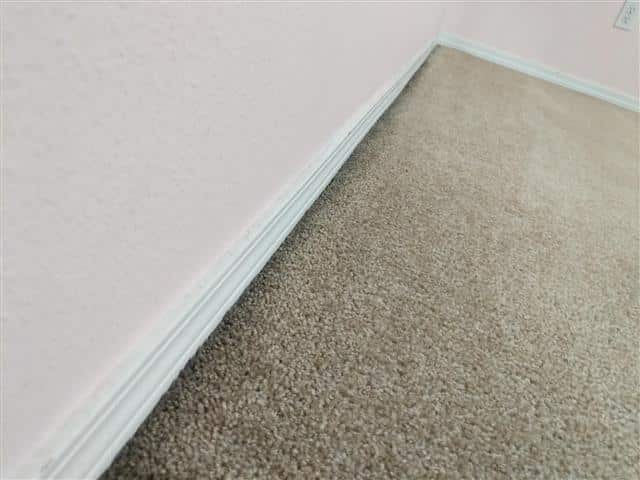
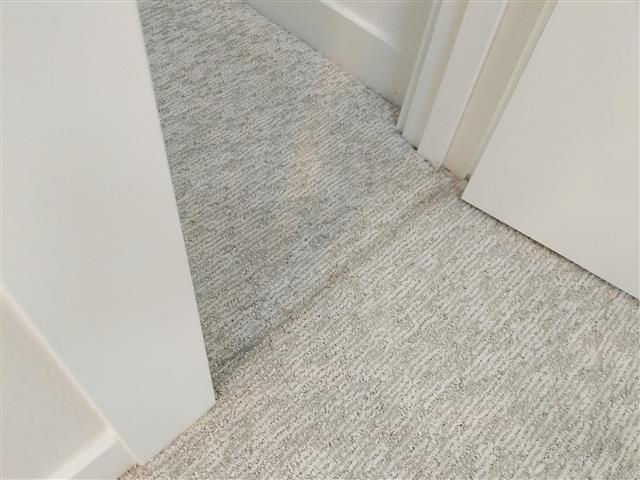
The primary cause of carpet filtration soiling is airborne particulate matter and pollutants that pass through or around the carpet and get trapped in the fibers. This phenomenon occurs in areas where there is a temperature or air pressure difference on either side of the carpet, leading to the filtration of air through the carpet.
Several factors contribute to the development of carpet filtration soiling:
Airflow: Air carrying dust and particles is forced through the carpet fibers due to temperature differentials or pressure variations. This is common in areas where there are heating, ventilation, and air conditioning (HVAC) systems.
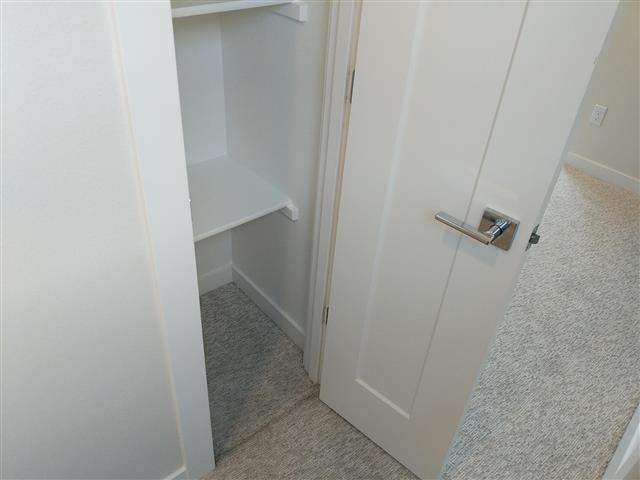
Gaps and Openings: Small gaps or openings in the building structure, such as gaps between walls and the floor, under doors, or through porous building materials, can allow air to pass through and deposit particles in the carpet.
HVAC Systems: Heating and cooling systems can contribute to carpet filtration soiling if they are not properly maintained or if they draw air from areas with higher levels of pollutants. Maintaining clean air filters can assist in preventing these particulates from passing through the HVAC distribution system and throughout the home.
Human Activity: People walking near walls or through doorways can also contribute to the deposition of particles, especially if they bring in dirt from outside.
Preventing carpet filtration soiling involves addressing these contributing factors. This may include improving the building’s ventilation, sealing gaps and openings, maintaining HVAC systems, and using high-quality air filters. Regular vacuuming and professional carpet cleaning can also help minimize the impact of filtration soiling on carpets.
Cleaning and repairing carpet filtration soiling can be challenging, but with the right techniques and products, it is possible to improve the appearance of the affected areas. Here are some steps you can take to clean or repair carpet filtration soiling:
Vacuuming:
Pre-treatment:
Apply a pre-treatment solution to the affected areas. You can use a carpet cleaning solution or a mixture of mild detergent and water. Follow the product’s instructions and allow it to dwell for a few minutes.
Agitation:
Gently agitate the carpet fibers with a soft brush or a carpet rake. This helps the cleaning solution penetrate deeper into the fibers and loosen the trapped particles.
Extraction:
Use a carpet extractor or a clean, damp cloth to extract the cleaning solution and suspended particles from the carpet. Be careful not to oversaturate the carpet, as excessive moisture can lead to other issues, such as mold growth.
Repeat if Necessary:
If the filtration soiling is persistent, you may need to repeat the cleaning process. It might take several attempts to achieve satisfactory results.
Professional Cleaning:
Consider hiring a professional carpet cleaning service. They have specialized equipment and expertise to address stubborn filtration soiling. Professional cleaners may use hot water extraction, steam cleaning, or other methods depending on the carpet type and extent of soiling.
Preventive Measures:
Take steps to prevent future filtration soiling. Seal gaps and openings in the building structure, regularly change HVAC filters, and maintain a clean environment to minimize the accumulation of airborne particles.
Keep in mind that complete removal of filtration soiling can be challenging, especially if it has been present for an extended period. Additionally, the success of the cleaning process may depend on the type of carpet and the severity of the soiling. Always test any cleaning products in an inconspicuous area before applying them to the entire affected area to ensure compatibility with your carpet.