
Sewage Ejector Pump
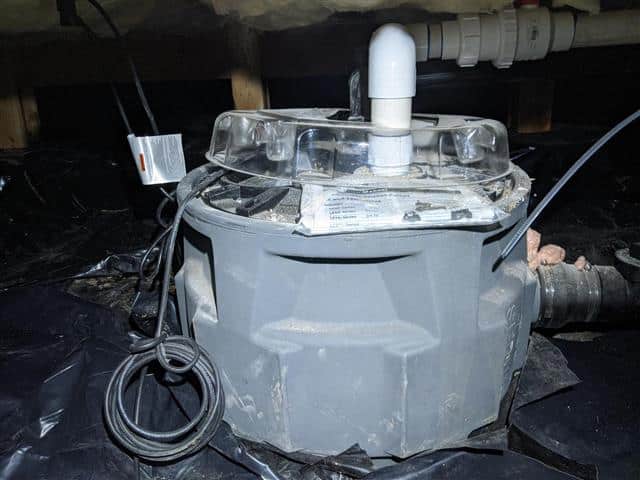
Here’s how a sewage ejector pump generally works:
Collection Basin: The pump is installed in a basin or pit that collects wastewater from the fixtures located below the sewer or septic line. This basin is typically located in the basement or a lower level of a building.
Inlet Pipe: Wastewater from toilets, sinks, showers, or other plumbing fixtures flows into the collection basin through an inlet pipe.
Pump Activation: When the wastewater in the basin reaches a certain level, a float switch or other level-sensing device activates the sewage ejector pump.
Pumping Action: The pump’s motor starts, and the impeller within the pump begins to spin. The impeller’s rotation generates a centrifugal force that propels the wastewater through a discharge pipe.
Sewage ejector pumps are crucial in situations where gravity cannot effectively transport wastewater to the main sewer or septic system. They are commonly used in basements or areas below the sewer line, providing an efficient and reliable way to handle sewage. Regular maintenance, such as cleaning the pump and checking the float switch, is essential to ensure the pump’s proper functioning and prevent potential backups or malfunctions.
Proper maintenance of a sewage ejector pump is essential to ensure its reliable operation and prevent potential issues. Here are some key components of a sewage ejector pump that may require maintenance and servicing:
Float Switch:
The float switch is a crucial component that activates the pump when the wastewater in the collection basin reaches a certain level. Regularly check the float switch for proper movement and ensure it is free from debris. If the float switch malfunctions, the pump may not activate, leading to potential backups.
Impeller:
The impeller is responsible for generating the pumping action by spinning and creating a centrifugal force. Inspect the impeller for any debris or clogs that could hinder its rotation. Clean the impeller regularly to maintain optimal performance.
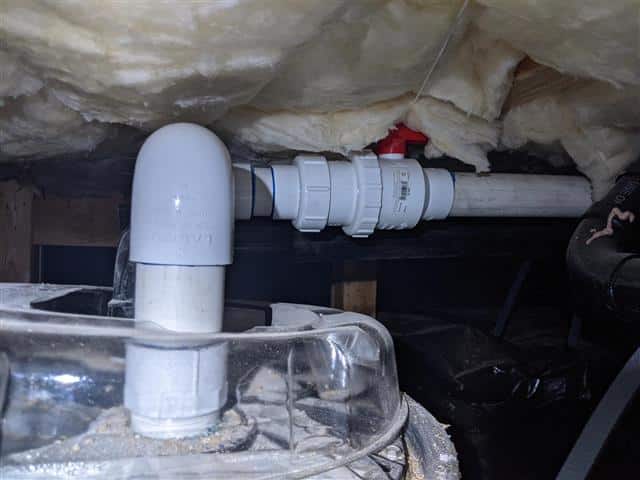
Check Valve:
Pump Motor:
The pump motor is the driving force behind the pump’s operation. Check for any signs of overheating, unusual noises, or vibration. Keep the motor and surrounding components clean to prevent overheating, and lubricate any moving parts according to the manufacturer’s recommendations.
Collection Basin:
Regularly inspect the collection basin for debris, solids, or sludge accumulation. Clean the basin as needed to prevent clogs and maintain proper pump operation.
Discharge Pipe:
Check the discharge pipe for any clogs or obstructions. Ensure that the pipe is securely connected and in good condition. Address any leaks or damage promptly.
Alarm System:
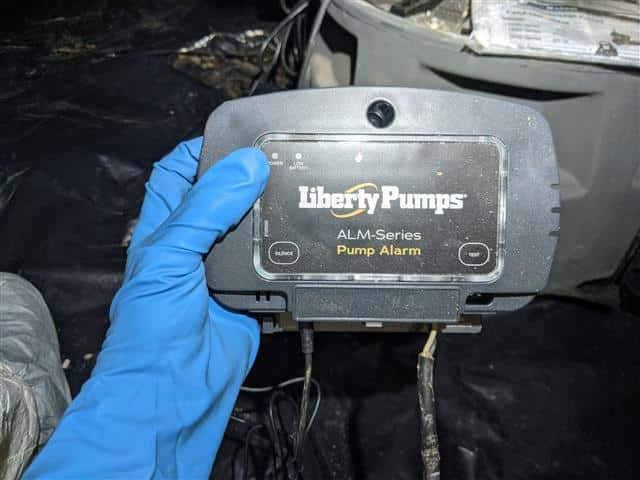
Some sewage ejector systems come with alarm systems that notify you of potential issues, such as high water levels or pump malfunctions. Test the alarm system regularly to make sure it is in working order. These alarm systems should be connected to a constant electrical connection and also be supplied with a backup battery power supply. This battery should be regularly replaced.
Ventilation:
Ensure proper ventilation in the pump area to prevent overheating. Adequate airflow helps maintain the temperature of the pump motor and other components. Additionally like all plumbing fixtures, the sewage ejector pump should be properly vented to allow for proper flow and drainage of the liquid contents.
Seals and Gaskets:
Inspect the seals and gaskets for signs of wear or deterioration. Replace any damaged seals or gaskets to prevent leaks.
Power Supply:
Check the power supply to the pump, including the electrical wiring and connections. Make sure the pump is receiving the correct voltage and that the electrical components are in good condition. The electrical connection should be supplied by either a dedicated circuit or one that is GFCI protected. Often these systems are plugged into a receptacle within the crawlspace or basement into an electrical receptacle. If the receptacle has more than one outlet, this receptacle must be GFCI protected.
Regular maintenance and proactive monitoring of these components can help extend the life of a sewage ejector pump and minimize the risk of malfunctions or backups. Always follow the manufacturer’s guidelines and recommendations for maintenance procedures and schedules.