
Radiant Electric Ceiling Heat: Why There Are Better Heating Alternatives
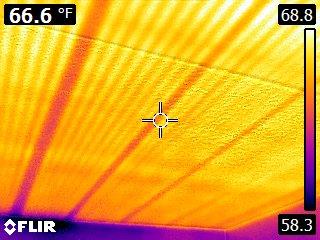
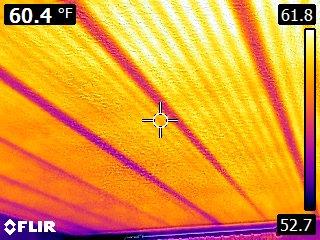
Radiant electric ceiling heat works by using electric panels installed in the ceiling to radiate heat downwards into the room. While this method may sound appealing, it comes with some issues that make it less than ideal for heating homes effectively.
One of the major drawbacks of radiant electric ceiling heat is its inefficient heat distribution. Since heat rises, the warmth generated by the ceiling panels collects near the top of the room and leaves the lower areas cooler. This uneven distribution can result in discomfort for occupants, with some areas feeling too warm while others remain chilly. This effect is especially pronounced in older homes that have floors that are poorly insulated or not insulated at all.
Radiant electric ceiling heat can also be very energy-intensive, leading to high electricity bills. Because the panels need to continuously generate heat to maintain the desired temperature, they consume a significant amount of electricity, especially in larger spaces. This can put a strain on both the environment and your wallet.
Like any heating system, radiant electric ceiling heat requires regular maintenance to ensure optimal performance. However, accessing and servicing the heating panels installed in the ceiling can be difficult and time-consuming. Any repairs or maintenance tasks may involve professional assistance, adding to the overall cost of ownership.
Given the drawbacks of radiant electric ceiling heat, you may consider alternatives that offer improved efficiency and comfort.
Forced-air heating systems, such as furnaces and heat pumps, are a popular choice for many homeowners. These systems send heat evenly throughout the home throughout ductwork, providing consistent warmth to every room. Modern forced-air systems offer improved energy efficiency and customizable zoning options. However, if the home does not have ductwork, retrofitting it can be expensive and difficult, depending on the layout of the house.
Ductless mini-split heat pumps offer an energy-efficient heating and cooling solution for homes without existing ductwork. These systems consist of an outdoor unit connected to one or more indoor air-handling units, allowing for precise temperature control in individual rooms or zones. Ductless mini-split heat pumps are highly efficient and can significantly reduce energy consumption compared to traditional heating systems. This is one of the best options for installing a heating system for a home that does not have duct-work in place. The other advantage of a heat pump is that it will cool the home in addition to heating it.
For homeowners seeking a more rustic heating option or an option that does not rely on the grid, wood-burning stoves or fireplaces can be considered. These heating sources utilize renewable wood fuel to generate warmth and ambiance in living spaces. However, it’s essential to ensure proper installation and maintenance to minimize safety risks and maximize efficiency.
In conclusion, while radiant electric ceiling heat may have seemed like a futuristic solution to home heating in the past, its drawbacks outweigh its benefits. From inefficient heat distribution to high energy consumption, this heating method falls short in several key areas. Alternative heating options such as forced-air systems, radiant floor heating, ductless mini-split heat pumps, or wood-burning stoves, can help homeowners achieve superior comfort, efficiency.
You can find more information about how radiant ceiling heat is installed here: