
Chimney Crowns and Repairs
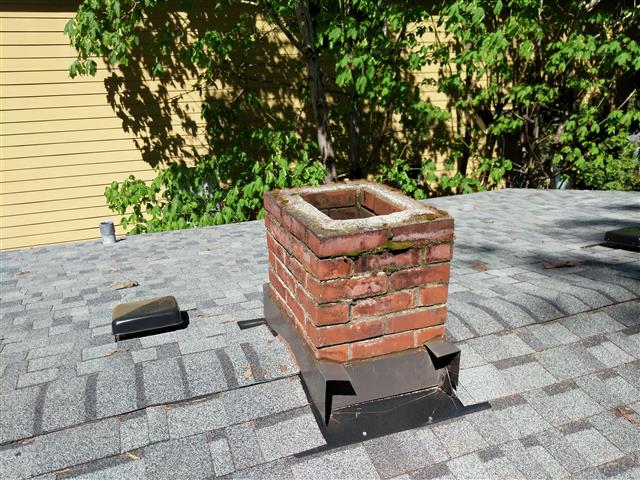
Key Functions of a Chimney Crown:
Water Protection: The primary purpose of a chimney crown is to shed water away from the chimney structure. Properly designed crowns have a slight slope that directs water away from the center and off the sides of the chimney.
Preventing Cracks and Damage: By keeping water away, the chimney crown helps prevent water-related damage, such as cracks, spalling, and deterioration of the masonry. This is particularly important in areas where freezing and thawing occur.
Protecting the Flue: A well-designed crown should have an overhang that extends beyond the outer dimensions of the chimney to prevent water from directly entering the flue.
Materials for Chimney Crowns:
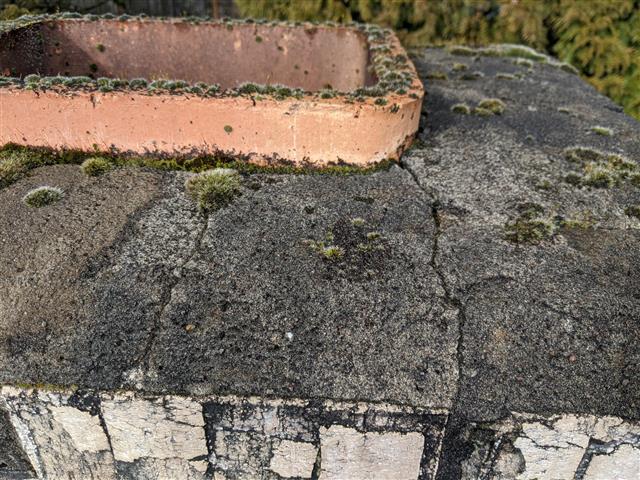
Concrete: A solid concrete crown is a popular choice due to its durability and ability to withstand the elements. It should be properly sloped to shed water.
Cast-in-Place Crown: This involves pouring concrete directly on top of the chimney to create a custom-fit crown. It provides a seamless and effective water barrier.
Pre-Cast Concrete: Some chimney crowns are pre-cast and then installed on top of the chimney. These can be designed with slopes and overhangs to enhance water-shedding capabilities.
Metal Crowns: Some crowns are made of metal, such as stainless steel or copper. These materials are resistant to corrosion and can provide effective protection.
Important Considerations:
Overhang: A good chimney crown should have a proper overhang, typically around 2 inches, to direct water away from the sides of the chimney.
Slope: The crown should be sloped away from the center to ensure effective water runoff.
Durable and Weather-Resistant: The chosen material should be durable, resistant to weathering, and capable of withstanding temperature variations.
Professional Installation: Chimney crowns are an essential part of chimney maintenance. Professional installation is recommended to ensure proper design and construction.
A well-maintained chimney crown contributes to the longevity and performance of a chimney by protecting it from water damage, which can be a common cause of chimney deterioration.
Repairing a chimney crown is a task that requires attention to detail and knowledge of proper techniques to ensure effective and lasting results. While minor repairs may be within the capabilities of a skilled homeowner, more extensive or complex repairs are often best left to a professional contractor. Here are some factors to consider when deciding whether to hire a contractor for chimney crown repair:
If the damage to the chimney crown is minor, such as small cracks that can be easily filled with appropriate sealant, a knowledgeable homeowner with some DIY skills may be able to handle the repair. For extensive damage, large cracks, or structural issues, it’s advisable to consult with a professional contractor. They can assess the severity of the damage and recommend the appropriate repair measures.
Chimney crown repair involves understanding the materials, preparation, and application techniques. A contractor with experience in masonry and chimney repairs is better equipped to handle the technical aspects of the job. Professionals can identify underlying issues that may be contributing to the damage and address them comprehensively.
Working on the roof and near the chimney can pose safety risks. Contractors are trained to work at heights and are equipped with the necessary safety gear. If you are uncomfortable or unfamiliar with working at heights, it’s safer to hire a professional who can complete the repair safely.
Local building codes may have specific requirements for chimney construction and repairs. A contractor is likely to be familiar with these codes and can ensure that the repair work complies with regulations.
Professional contractors have the expertise to ensure that repairs are not only cosmetically appealing but also structurally sound and durable in the long term. They can use the right materials, bonding agents, and techniques to prevent future issues.
Many contractors provide warranties or guarantees on their work. This means that if issues arise after the repair, they will come back to address them within a specified period.
While some homeowners may have the skills to perform minor chimney crown repairs, it’s crucial to assess your own abilities, the extent of the damage, and the potential risks involved. When in doubt or for more complex repairs, consulting and hiring a professional contractor is often the safest and most effective course of action.