
Whole Home Surge Protectors
How They Work
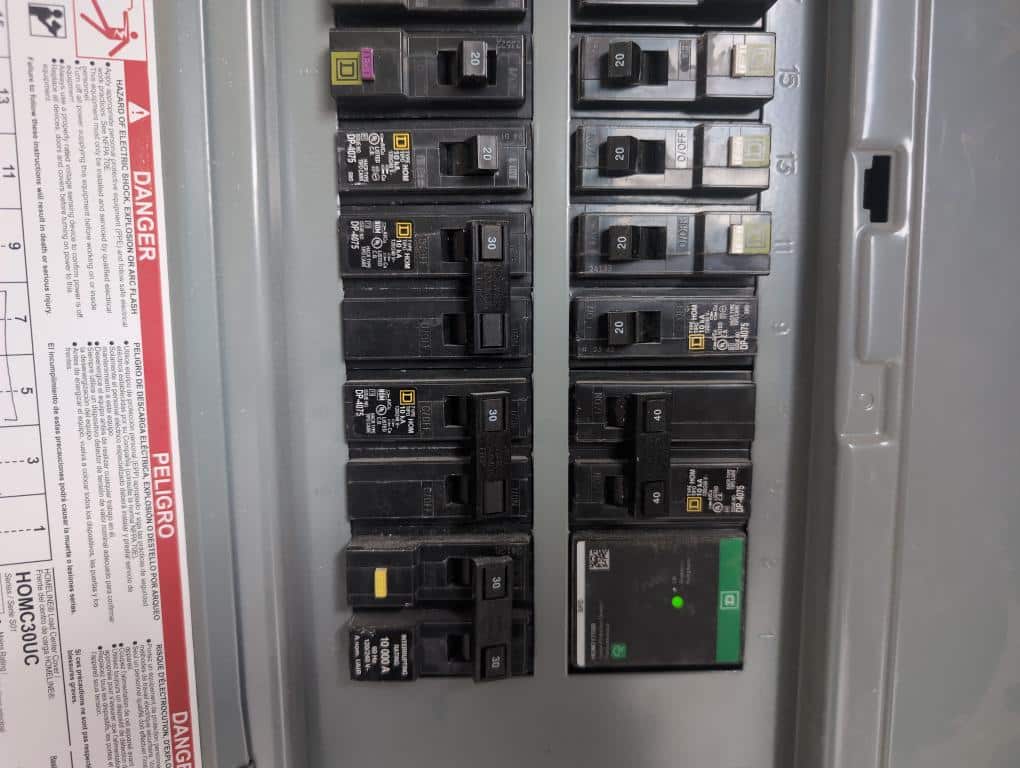
Surge Detection: The surge protector monitors the voltage coming into the electrical panel. When it detects a surge or spike in voltage (which can be caused by lightning strikes, power outages, or other electrical disturbances), it activates.
Voltage Clamping: Upon detecting a surge, the protector redirects the excess voltage away from the electrical system. It typically does this by using components like metal oxide varistors (MOVs) or gas discharge tubes that absorb and dissipate the surge energy.
Protection Mechanism: By diverting the excess voltage to the ground, the surge protector prevents damage to your home’s electrical wiring, appliances, and electronic devices.
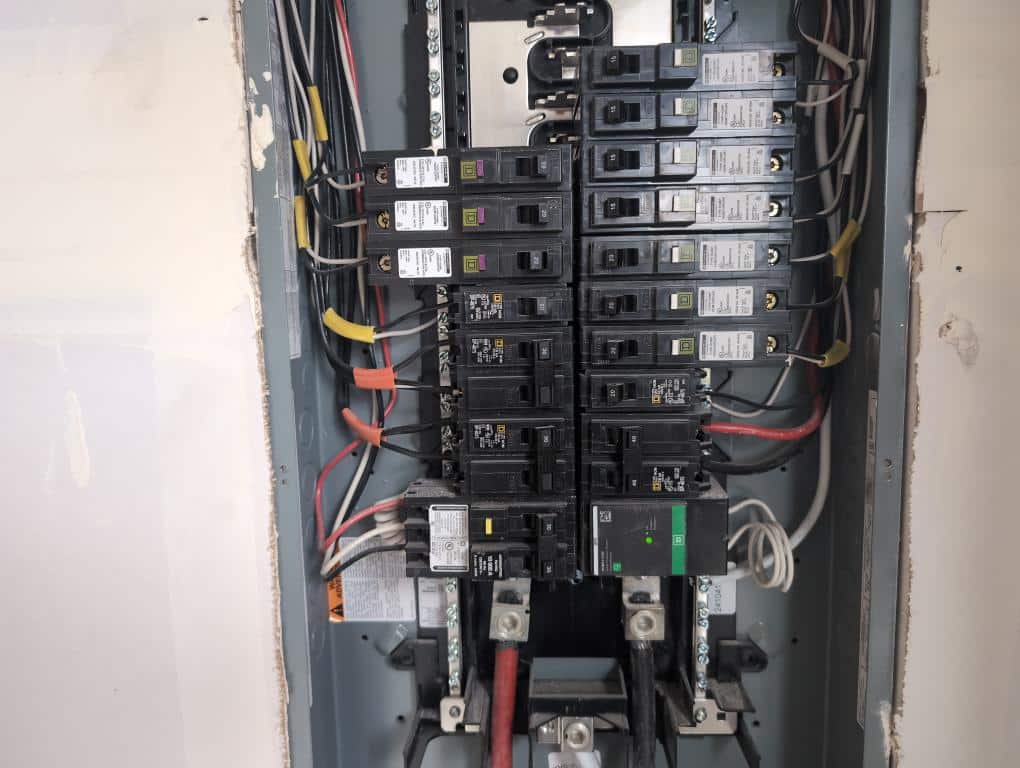
Comprehensive Protection: They protect all the electrical circuits in your home from surges, including outlets, appliances, and hardwired systems like HVAC units and refrigerators.
Reduced Risk of Damage: They can help prevent damage to sensitive electronics and appliances, potentially saving you from costly repairs or replacements.
Extended Appliance Life: By shielding appliances from voltage spikes, these protectors can extend their lifespan and ensure more reliable performance.
Enhanced Safety: Protecting your home’s electrical system can reduce the risk of electrical fires caused by power surges.
Type 1 Surge Protectors: Designed for installation on the service entrance of the electrical system, offering protection against external surges (like those from lightning strikes).
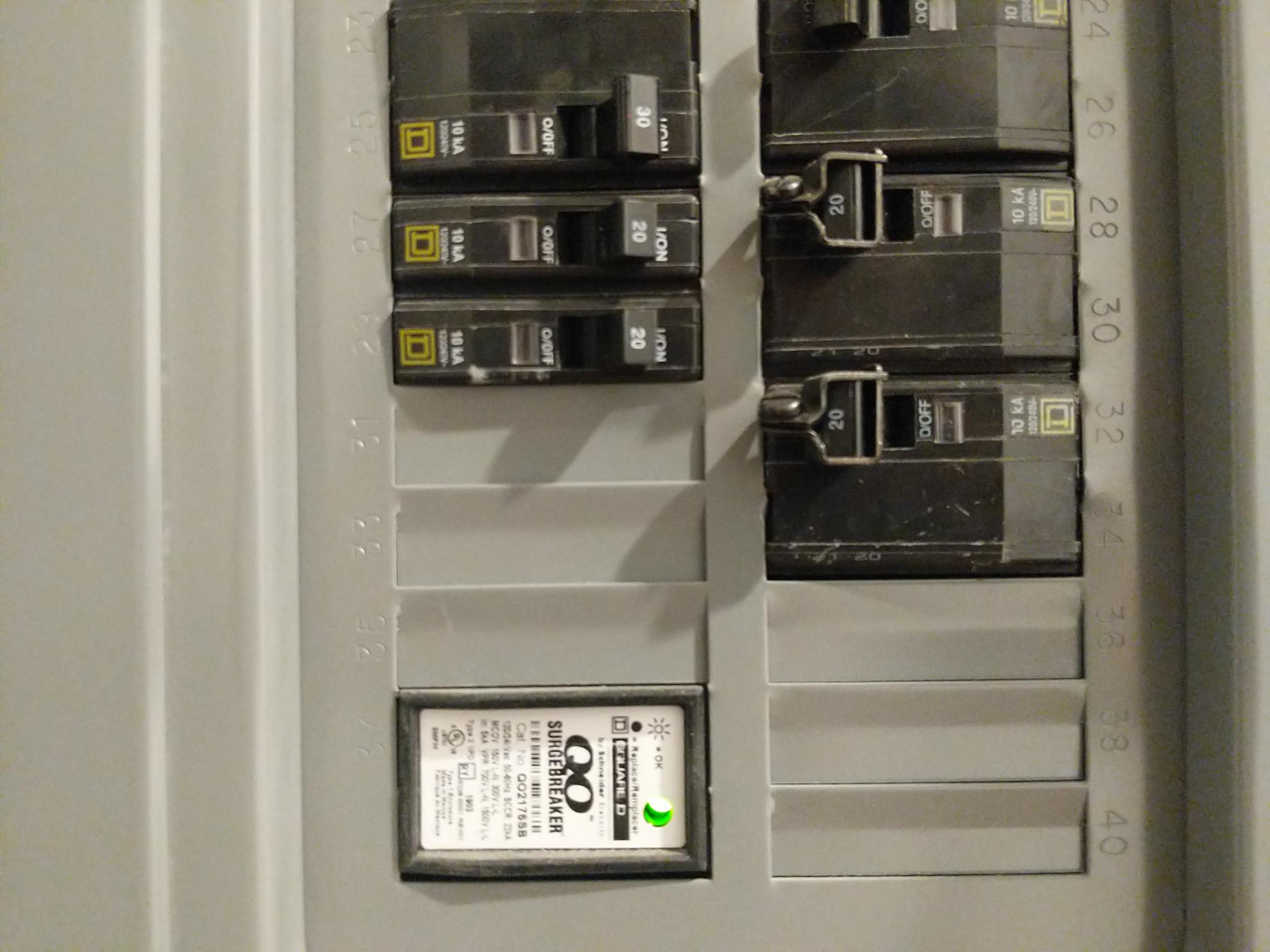
Type 2 Surge Protectors: Installed at the distribution panel, these protect against internal surges that originate from within the home’s electrical system.
Type 3 Surge Protectors: These are typically used as point-of-use devices, installed at individual outlets or power strips to protect specific equipment.
Although these devices require minimal maintenance, it is important to inspect these devices periodically. Most whole-house surge protectors have an indicator light or LED that shows their operational status. If the light is off or indicates a problem (such as a red light or blinking light), it might mean that the surge protector is not functioning correctly or needs replacement. If you have some technical knowledge, you can use a multimeter to check the voltage coming into the panel. Compare it with the expected voltage for your area. Significant deviations or frequent voltage spikes might suggest the surge protector isn’t working as it should. If you notice frequent tripped circuit breakers, flickering lights, or unusual noises from your electrical system, these could be signs that your surge protector is not handling surges effectively. Look for damage or malfunctioning in connected appliances or electronics. Frequent damage or irregular behavior might indicate that surges are not being properly managed. Inspect the surge protector for any visible signs of damage, such as burn marks, scorch marks, or physical deformities. Physical damage often indicates that the surge protector has been compromised. If you suspect that your surge protector might be malfunctioning but are unsure how to diagnose it yourself, it’s a good idea to have a licensed electrician or a qualified technician inspect the device. They can perform detailed tests and ensure that your surge protection system is working correctly. Surge protectors have a finite lifespan, often determined by the number of surges they’ve absorbed. If your surge protector is several years old or has been exposed to multiple large surges, it might be time to replace it, even if there are no obvious signs of failure. Regular maintenance and checks can help ensure that your whole-house surge protector continues to provide effective protection for your home’s electrical system.
Overall, residential surge protectors at electrical panels are an effective way to safeguard your home’s electrical system and valuable electronics from the potentially damaging effects of electrical surges.