
Drywall Ghosting
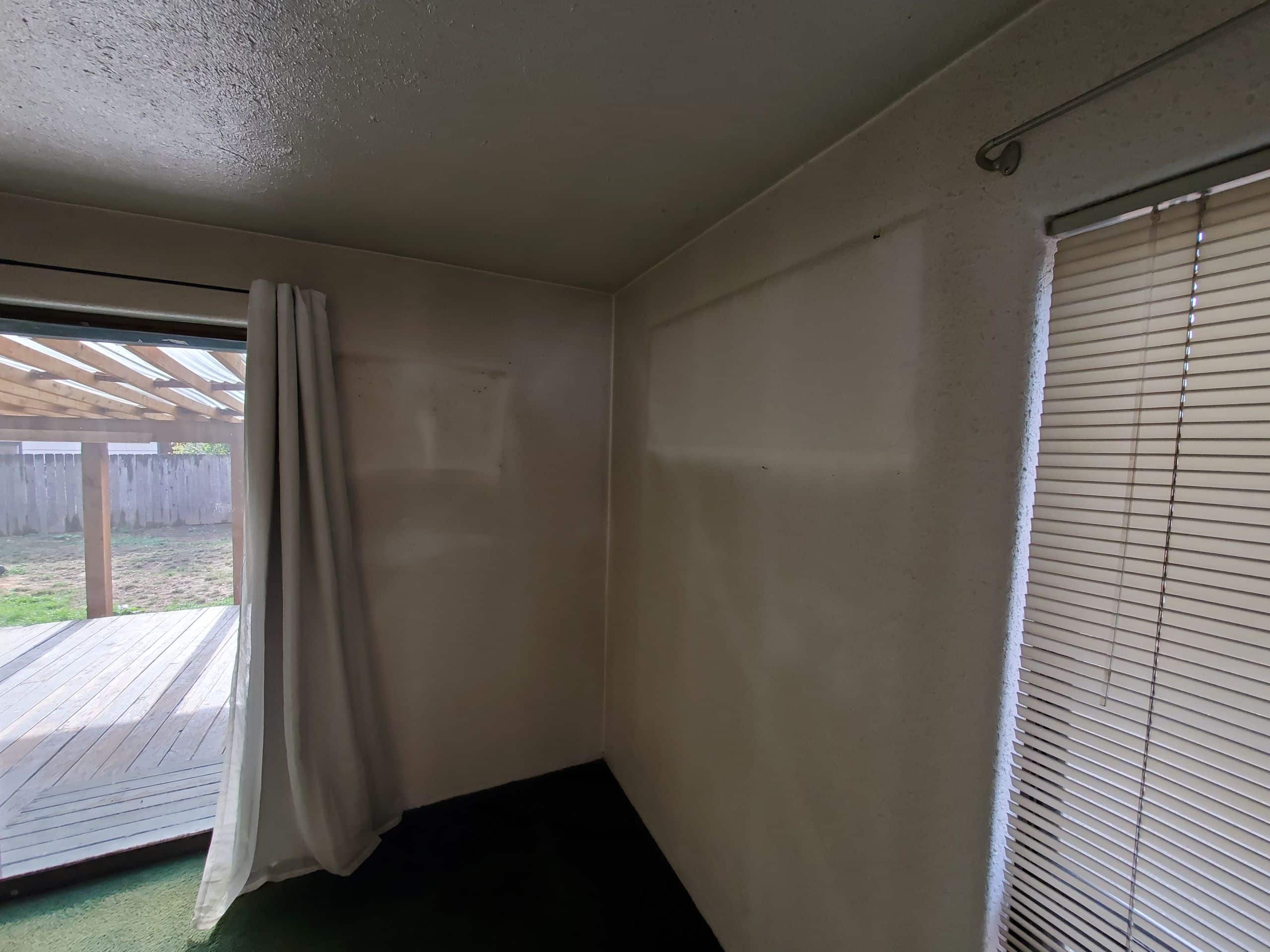
Temperature Variations: Temperature differences in a room can lead to variations in the wall surface temperature. Cold spots on the walls can attract dust and dirt, causing the ghosting effect.
Condensation: Moisture in the air can condense on cooler wall surfaces, especially in corners or behind furniture. This moisture can attract and hold airborne particles, leading to ghosting.
Air Infiltration: Leaks or gaps in the building envelope can allow warm, moist air to enter wall cavities. As this air cools down inside the walls, it may deposit dust and other particles on the surface, causing ghosting.
Insufficient Insulation: Inadequate insulation in certain areas can lead to temperature variations on the wall surface, promoting the deposition of dust and particles.
Airborne Contaminants: Indoor air quality, including pollutants and particles, can contribute to ghosting. Candles, cooking, smoking, and other activities can release particles into the air that may settle on cooler wall surfaces.
To address ghosting, it’s important to identify and rectify the underlying causes. This may involve improving insulation, addressing air leaks, enhancing ventilation, and maintaining consistent indoor temperatures. Cleaning the affected surfaces may also help, but unless the root causes are addressed, ghosting may reoccur. Consulting with a professional contractor or building specialist can help diagnose and solve the specific issues causing ghosting in a particular space.
You can attempt to clean or paint over interior surface ghosting stains, but it’s important to note that the success of these methods depends on the underlying cause of the ghosting and the severity of the stains. Here are some steps you can take:
Cleaning:
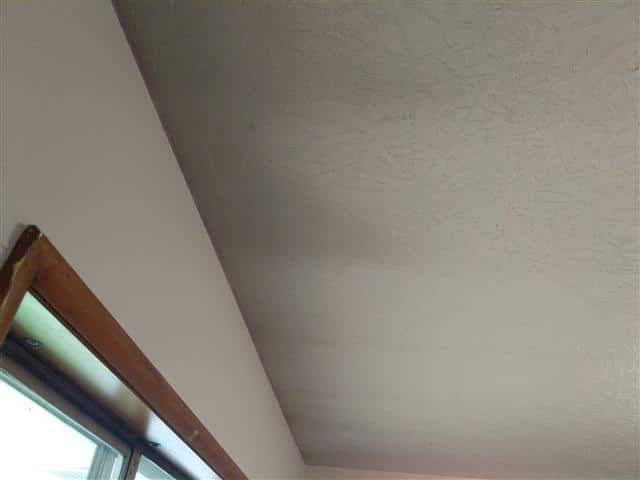
Vinegar Solution: A mixture of white vinegar and water (1:1 ratio) can sometimes be effective in cleaning stains. Test a small, inconspicuous area first to ensure it doesn’t damage the paint or wall surface.
Commercial Cleaners: There are commercial cleaners designed for walls that may help remove stains. Follow the manufacturer’s instructions and test on a small area first.
Painting:
Stain-Blocking Primer: Before repainting, it’s often advisable to use a stain-blocking primer. This can help prevent the ghosting stains from bleeding through the new paint. Make sure to choose a primer that is suitable for the type of stain you are dealing with.
Quality Paint: Use a high-quality, durable paint to cover the stained areas. Consider using a paint with a higher sheen (such as satin or semi-gloss) as it may be more resistant to future stains and easier to clean.
Multiple Coats: Depending on the severity of the ghosting, you may need multiple coats of primer and paint to effectively cover the stains. Allow each coat to dry thoroughly before applying the next.
Important Tips:
Identify and Address the Cause: Before attempting to clean or paint over ghosting stains, try to identify and address the underlying cause to prevent recurrence.
Test in an Inconspicuous Area: Always test any cleaning solution or paint in a small, inconspicuous area first to ensure compatibility with the existing surface.
Professional Assistance: If the ghosting persists or if it’s caused by a more complex issue, it may be advisable to consult with a professional painter or contractor for a more thorough assessment and solution.
Keep in mind that these suggestions are general guidelines, and the effectiveness of cleaning and painting will depend on the specific circumstances of the ghosting issue in your particular space.