
Importance of Floor Insulation
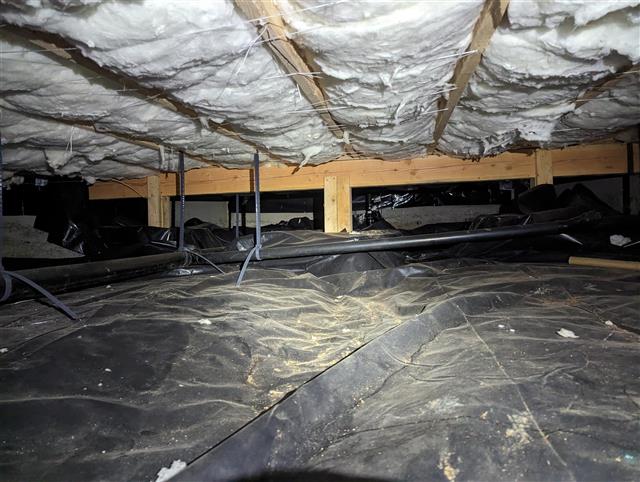
Why Floor Insulation Matters:
Insulating your floors helps regulate indoor temperatures, keeping your home warmer in the winter and cooler in the summer. By minimizing heat transfer between the ground and your living space, floor insulation creates a more comfortable environment for you and your family year-round.
Uninsulated floors can account for significant energy loss, especially in homes with crawl spaces or unheated basements. By adding insulation, you can reduce heat loss through the floor, leading to lower energy consumption and decreased utility bills over time. In addition to regulating temperature, floor insulation helps mitigate moisture issues, such as condensation and dampness. Moisture can promote mold and mildew growth, compromise indoor air quality, and damage flooring materials. Proper insulation acts as a barrier against moisture infiltration, preserving the integrity of your home’s structure and indoor environment.
Insulating your floors can also help dampen sound transmission between levels of your home. This is particularly beneficial for multi-story residences or homes with open floor plans, where noise from foot traffic or household activities can be disruptive for people below.
While the upfront cost of floor insulation installation can be significant, it’s a worthwhile investment that pays dividends over time. By improving energy efficiency and reducing heating and cooling expenses, floor insulation can result in long-term savings and a higher return on investment for homeowners.
Different Insulation Options:
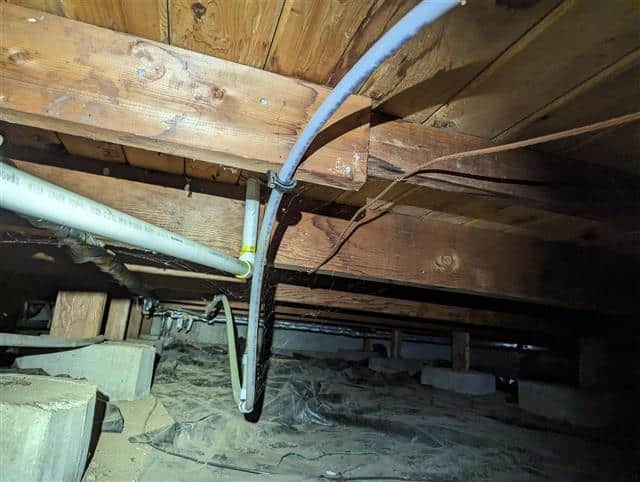
Spray foam insulation offers superior thermal performance and air sealing properties compared to traditional fiberglass insulation. It expands upon application, filling gaps and voids to create a seamless barrier against heat transfer and air infiltration. While spray foam insulation tends to be more expensive than other options, its effectiveness and long-term benefits justify the investment for many homeowners.
Rigid foam insulation panels are composed of dense foam boards that provide excellent thermal resistance. These panels are installed directly onto the underside of floors or between floor joists, creating a continuous layer of insulation. Rigid foam insulation is moisture-resistant and offers high R-values, making it an ideal choice for areas prone to moisture exposure, such as crawl spaces or basements.
Mineral wool insulation, also known as rock wool or stone wool, is made from volcanic rock or slag. It offers excellent fire resistance, sound absorption, and thermal performance, making it well-suited for floor insulation applications. Mineral wool insulation is available in batts or loose-fill form and provides durable and long-lasting protection against heat loss and moisture intrusion.
Reflective foil insulation consists of layers of aluminum foil laminated to a substrate material, such as foam or bubble wrap. This type of insulation reflects radiant heat away from the living space, helping to maintain consistent indoor temperatures. Reflective foil insulation is lightweight, easy to install, and well-suited for floors with radiant heating systems or in areas with limited space for traditional insulation materials.
When selecting insulation for your floors, consider factors such as thermal performance, moisture resistance, installation ease, and budget. Whether you opt for fiberglass batts, spray foam, rigid foam, mineral wool, or reflective foil insulation, investing in floor insulation is a smart decision that can improve the overall comfort and energy efficiency of your home for years to come.
You can learn more about insulation options here: