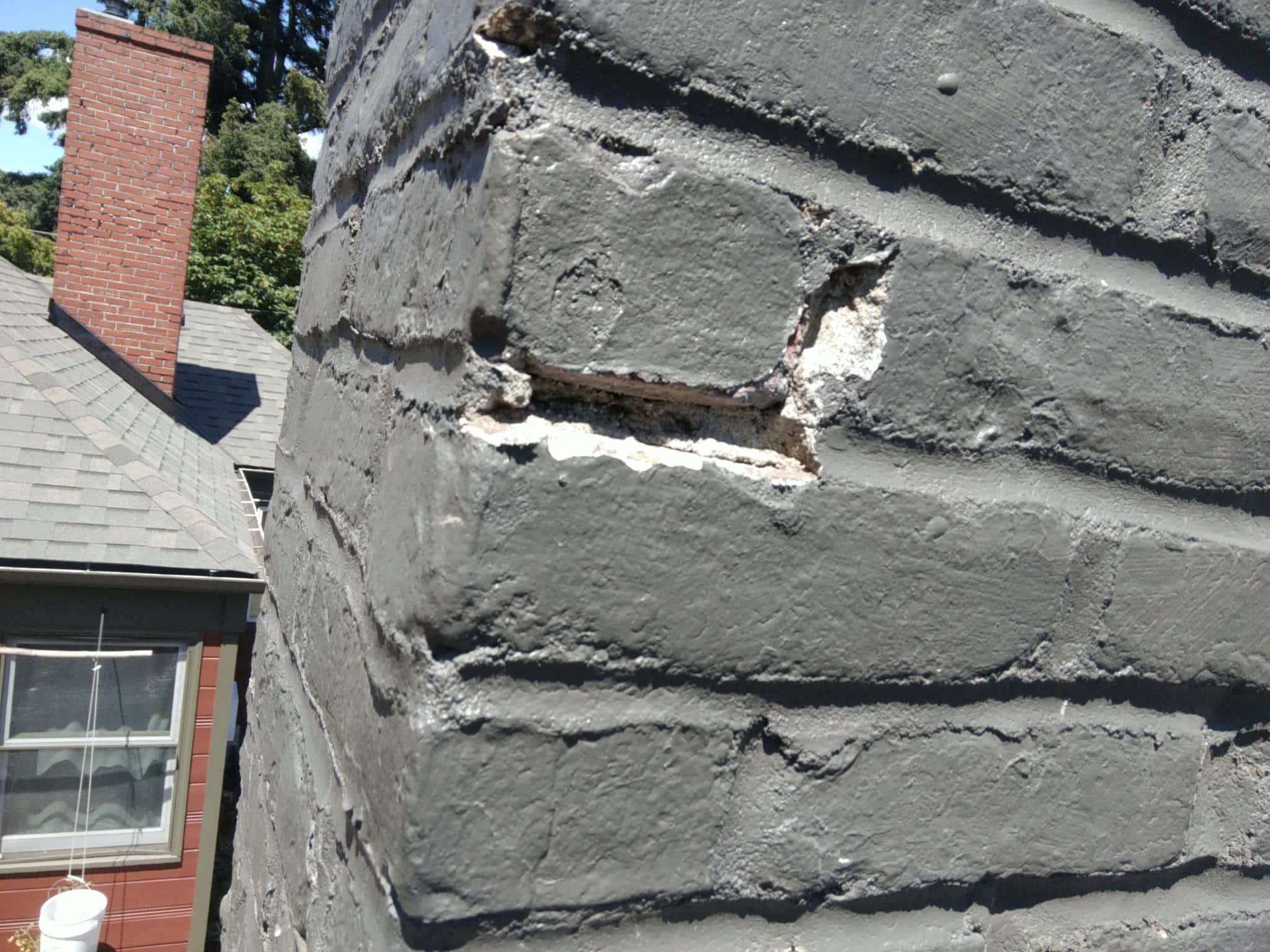
Painted Chimneys
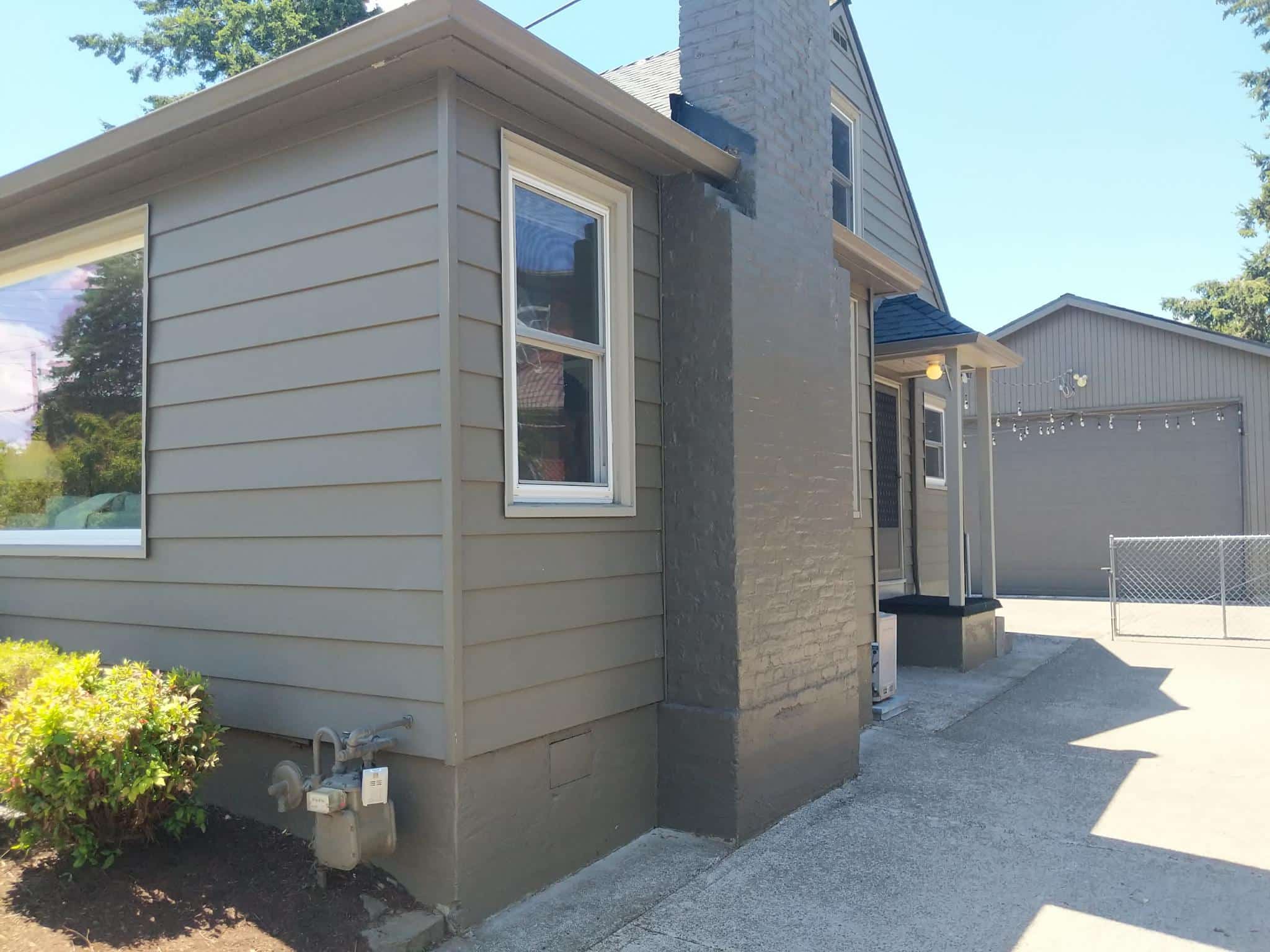
Brick is porous and naturally absorbs moisture. Painting the brick can trap moisture inside, leading to potential issues like peeling paint, efflorescence (white, powdery deposits on the surface), and even structural damage as the trapped moisture can freeze and expand (spalling). Bricks need to breathe to release moisture that naturally accumulates. Paint can block this breathability, causing a buildup of moisture within the brickwork, which can degrade the masonry over time. Once painted, the brick surface requires regular maintenance. If the paint begins to peel or crack, it can be difficult and labor-intensive to repair, often necessitating complete repainting or even stripping of the old paint. Painting can alter the natural appearance of the brick. If the paint fades or changes color over time, it might not be easy to match or update, impacting the overall look of the property. If the brickwork has existing issues like cracks or damage, painting over it can mask these problems rather than addressing them, potentially leading to more significant issues down the line. If you’re looking to enhance or protect your brick chimney, it’s often better to consider alternatives like a masonry sealer that allows the brick to breathe while providing some level of protection against moisture.
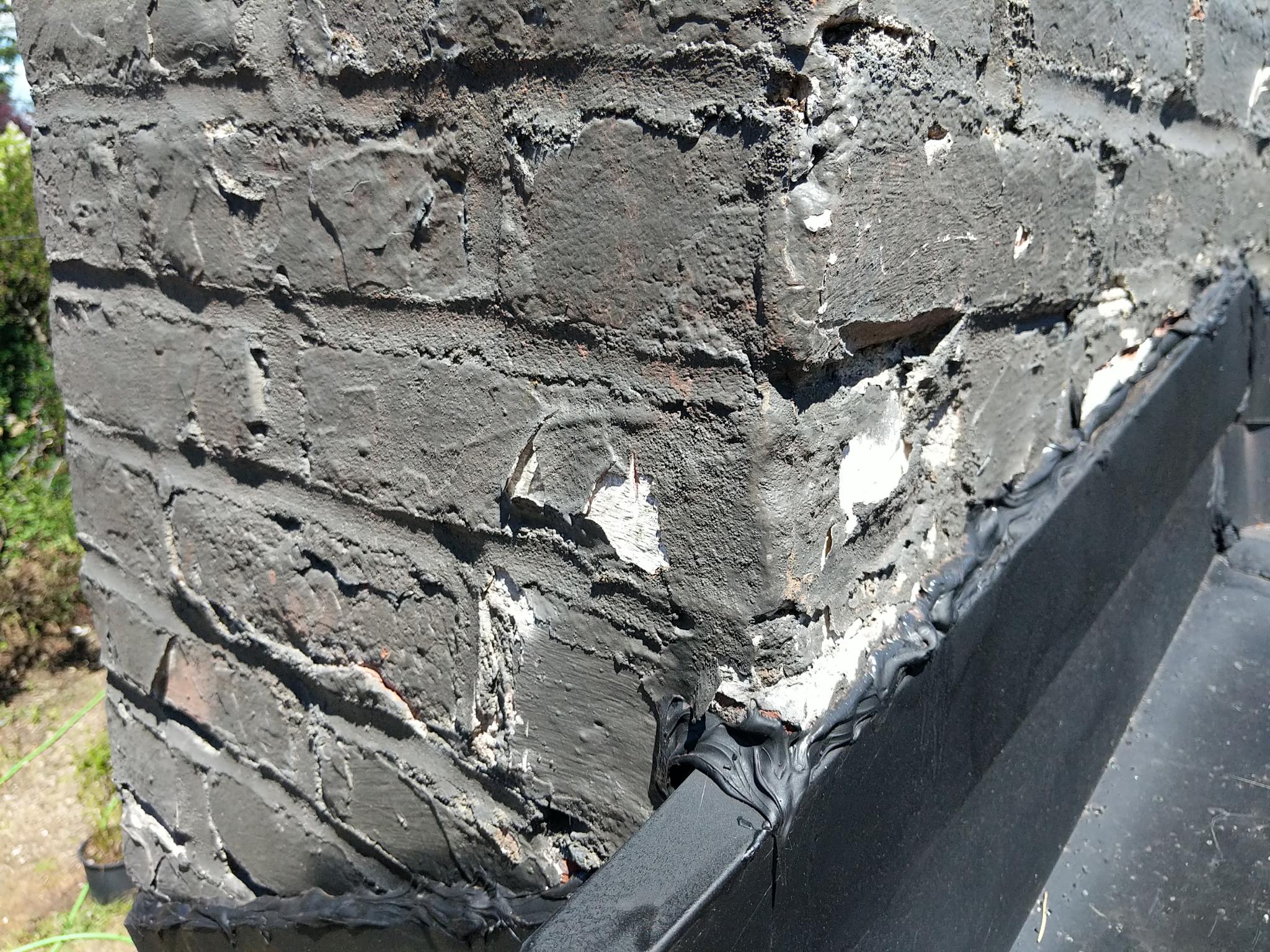
Unfortunately once the brick has been painted, the best method of repair is to maintain the paint layers as best as possible to prevent moisture from getting trapped between the layer of paint and brick chimney. Removal of paint at porous brick is extremely difficult and typically unsuccessful. Small remnants of paint will remain within the crevices and pores of the brick and mortar. Physically scouring the brick or use of harmful chemicals can destroy the brick permanently and is not recommended. It is important to note that often the brick may be painted, but the crown is left unpainted and porous. Water will seep through the chimney crown and into the brick below. Sealing the chimney crown is also essential in maintaining a waterproof seal on an already painted brick chimney.