
Vent Free Fireplaces
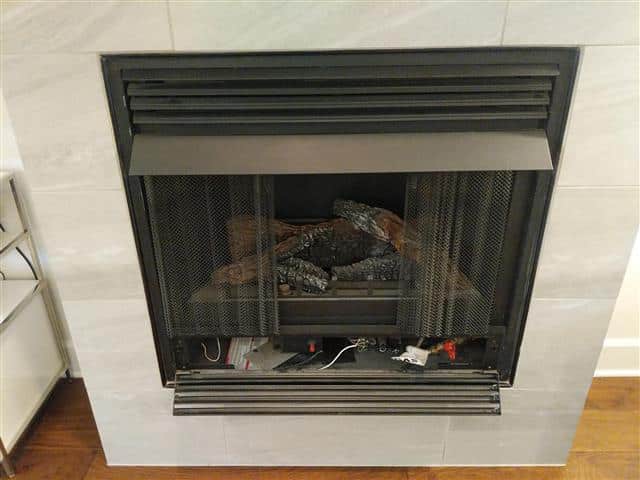
Vent-free gas fireplaces are equipped with special technology to ensure complete combustion, minimizing the emission of harmful substances and maximizing the heat output. They are a popular choice for homeowners who want the convenience of a gas fireplace without the ability to install a chimney or venting installation.
It’s important to note that while vent-free gas fireplaces are generally considered safe when installed and used according to manufacturer guidelines, there are some concerns related to indoor air quality. Because these fireplaces release combustion byproducts into the living space, it’s crucial to ensure proper ventilation and follow safety guidelines to prevent any potential issues. Before installing a vent-free gas fireplace, it’s advisable to check local building codes and regulations, and it’s recommended to have a professional installer set up the unit to ensure safety and compliance.
While vent-free gas fireplaces are designed to operate safely when installed and used correctly, there are potential concerns and dangers associated with them. It’s important to be aware of these issues and take appropriate precautions:
Indoor Air Quality: Vent-free gas fireplaces release combustion byproducts, including carbon dioxide, carbon monoxide, and water vapor, directly into the room. While these levels are typically within safe limits when the fireplace is properly installed and used in accordance with guidelines, individuals with respiratory issues or sensitivities may be more susceptible to indoor air quality concerns. However, when this fireplace is not operating as intended the levels of these elements of exhaust could be higher than the safe limits and could lead to safety hazards for occupants within the home.
Odors: Some users have reported odors associated with the burning of gas in vent-free systems. While modern vent-free fireplaces are designed to minimize odors, individual sensitivities can vary.
Safety Concerns: It’s crucial to follow the manufacturer’s installation and usage guidelines precisely. Improper installation or use can lead to safety issues, including the risk of carbon monoxide exposure, which is a colorless, odorless gas that can be harmful or fatal in high concentrations. Additionally, due to the combustion occurring within this fireplace, oxygen levels can be depleted within a closed room. Most manufacturers recommend that a window remain open to introduce oxygen into the room while the fireplace is in operation. Most vent-free gas fireplaces are equipped with an ODS, which monitors oxygen levels in the room. Ensure that the ODS is clean and functioning correctly. Follow the manufacturer’s recommendations regarding ODS maintenance.
Regulatory Compliance: Building codes and regulations regarding the use of vent-free appliances may vary by location. It’s essential to check local codes and comply with any requirements to ensure the safe and legal operation of a vent-free gas fireplace.
Before installing a vent-free gas fireplace, it is advisable to consult with a professional installer, follow the manufacturer’s guidelines, and be aware of local building codes and regulations. Additionally, regular maintenance and inspection by qualified professionals can help ensure the continued safe operation of the vent-free fireplace. If there are any concerns about indoor air quality, odors, or other issues, it’s recommended to consult with a heating or ventilation specialist.
Vent free fireplaces operate under the assumption that the fireplace was installed correctly and is operating at maximum efficiency. Several factors can disrupt the required efficiency for safe operation of these appliances. For this reason, ensuring that all safety devices are in place and functioning as intended as well as having the fireplace serviced regularly by a qualified fireplace contractor is strongly advised for safe use and operation of this type of fireplace.